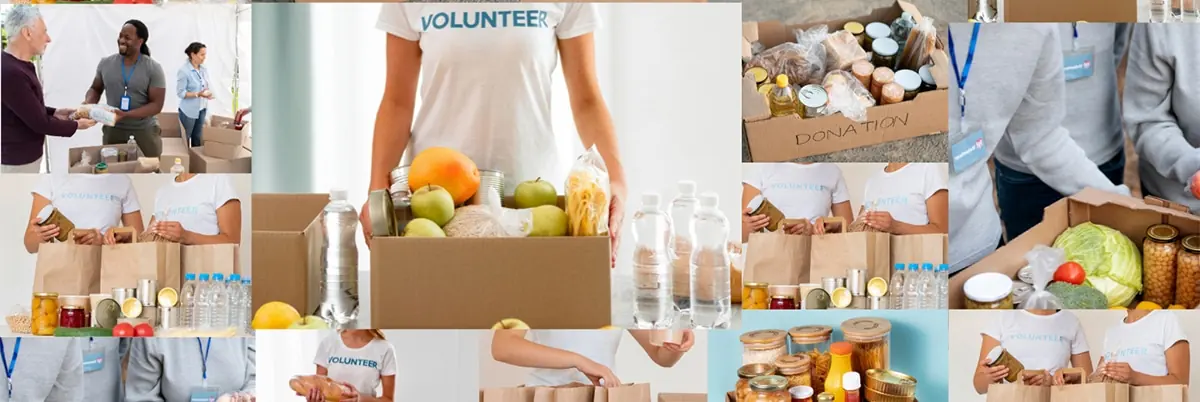
Foodbanks need all the help they can get, so you may be wondering 'How can I organise a food drive for a foodbank?'. Organising a food drive for a foodbank is a rewarding way to help your community and support people in need. A successful food drive requires planning, promoting the event, collecting donations, and delivering them to the foodbank. Below is a step-by-step guide to organising a food drive for a foodbank in the UK.
Step 1: Contact the Foodbank
Before starting your food drive, get in touch with the foodbank you want to support. This ensures your efforts align with their needs and requirements.
- Ask About Priority Items: Find out what items are most needed, such as tinned goods, toiletries, or baby supplies.
- Check Their Guidelines: Confirm if there are restrictions on the types of items they can accept, such as perishable or expired food.
- Confirm Logistics: Discuss how and when to deliver the collected items and if the foodbank can assist with transportation.
Step 2: Choose a Location and Date
Decide where and when to hold your food drive. Consider locations with high foot traffic or a strong community presence.
- Venues: Schools, workplaces, religious centres, community halls, or local businesses.
- Dates: Align with seasonal needs, such as before Christmas or during harvest festivals, when foodbanks often experience high demand.
Step 3: Set Clear Goals
Define the goals for your food drive to motivate participants and measure success.
- Type of Donations: Focus on collecting specific items (e.g., non-perishable food, toiletries, baby supplies).
- Quantity Goals: Aim for a target number of items or weight of donations.
- Participation Goals: Encourage a specific number of people or organisations to contribute.
Step 4: Promote the Food Drive
Effective promotion is key to getting donations. Use multiple methods to reach as many people as possible.
- Social Media: Create a Facebook event, Instagram posts, or tweets with details about your food drive.
- Posters and Flyers: Distribute materials in local shops, schools, libraries, and community centres.
- Email Campaigns: Inform your network or local organisations about the event.
- Local Media: Contact local newspapers, radio stations, or community newsletters to spread the word.
Make sure to include details such as:
- The foodbank you’re supporting
- Items needed
- Drop-off locations and times
- Contact information for questions
Step 5: Set Up Collection Points
Create accessible and organised drop-off points for donations.
- Bins or Boxes: Use clearly labelled containers to make it easy for people to donate.
- Signage: Include posters listing the most-needed items and instructions for donating.
- Volunteers: Assign people to monitor drop-off points, answer questions, and ensure the safety of donations.
Step 6: Engage Your Community
Encourage participation by involving community groups and organisations.
- Schools: Organise classroom competitions to see which class collects the most items.
- Businesses: Partner with local companies to host collection bins in their offices or stores.
- Clubs and Societies: Ask local groups, such as Scouts or church groups, to support the drive.
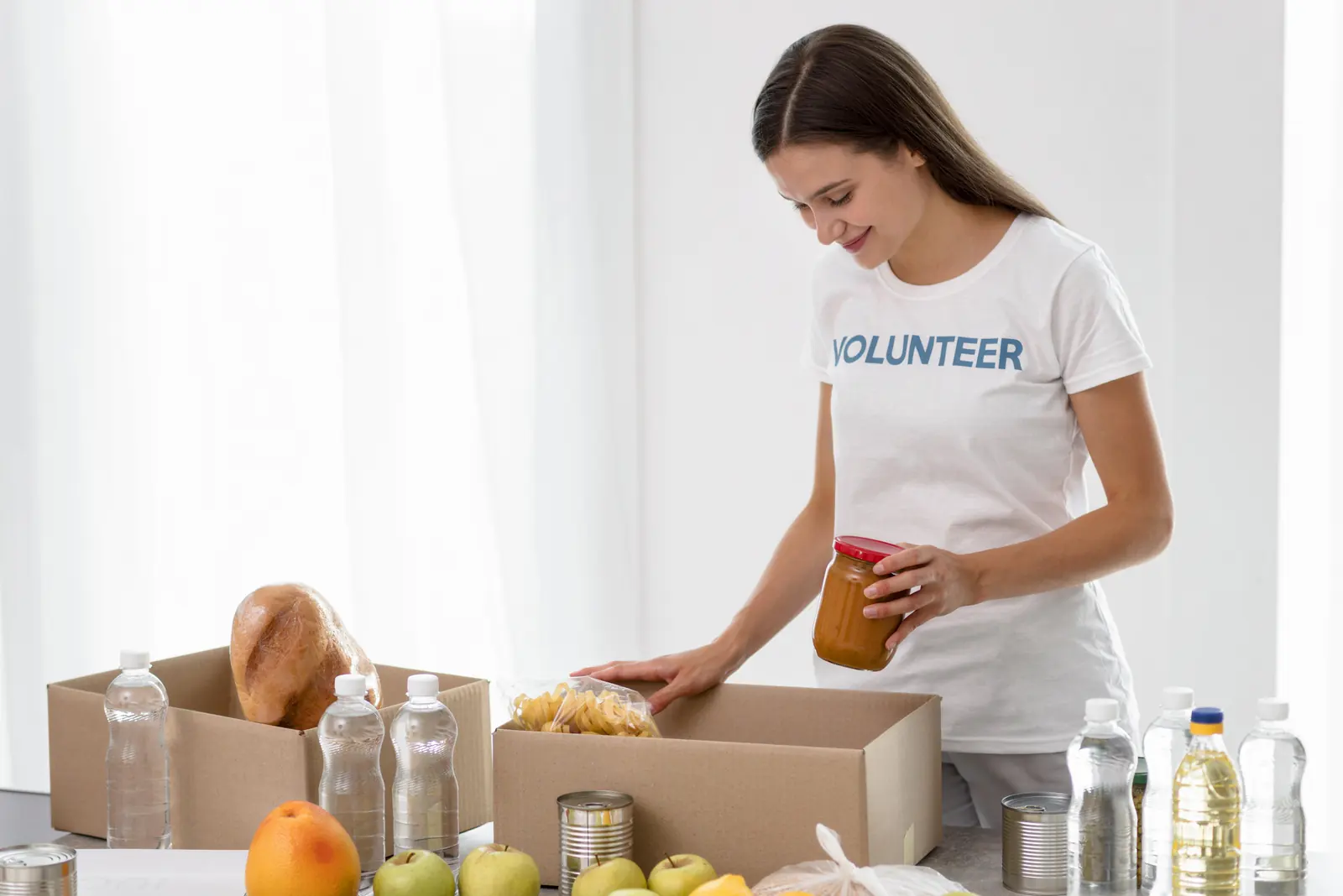
Step 7: Sort and Pack Donations
Once donations are collected, sort and pack them for delivery to the foodbank.
- Check Items: Ensure donations are within their expiration dates and meet the foodbank’s guidelines.
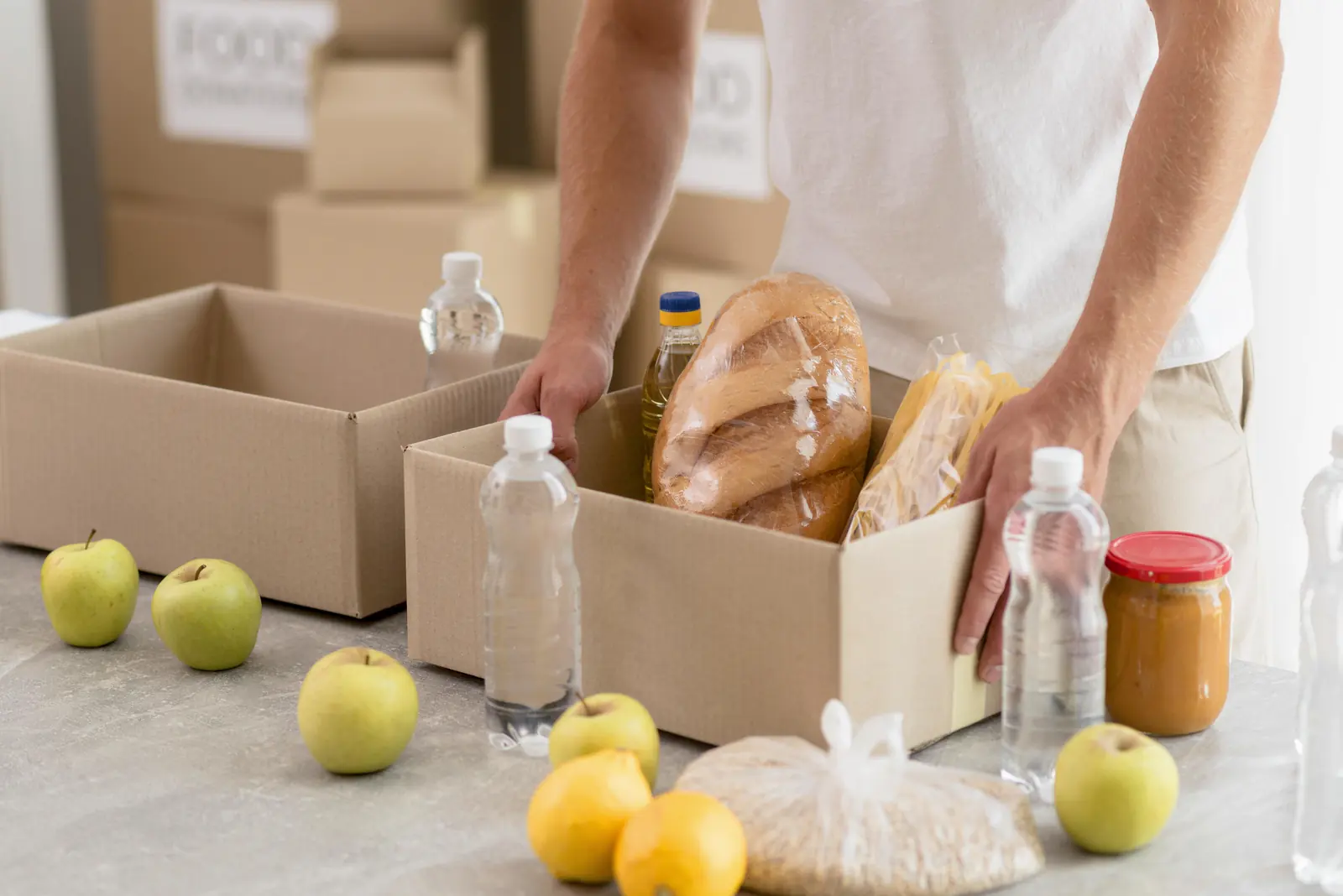
- Organise by Category: Group items into categories like tinned foods, toiletries, and baby products to make distribution easier.
- Use Sturdy Packaging: Pack items in strong boxes or bags for safe transportation.
Step 8: Deliver Donations to the Foodbank
Coordinate with the foodbank to deliver the collected items.
- Arrange Transport: Use cars, vans, or volunteers to transport the donations.
- Confirm Delivery Times: Ensure the foodbank knows when to expect the items.
- Thank Volunteers: Recognise the efforts of everyone involved in collecting, sorting, and delivering donations.
Step 9: Share the Results
After the food drive, share the outcomes with participants and your community.
- Announce Results: Share how many items were collected or how much weight was donated.
- Thank Participants: Use social media, emails, or local news to thank everyone who contributed.
- Highlight Impact: Explain how the donations will help the foodbank and the people it serves.
Step 10: Reflect and Plan for the Future
Evaluate your food drive to identify what worked well and what could be improved for next time.
- Feedback: Gather input from volunteers, donors, and the foodbank.
- Lessons Learned: Note any challenges or successes to refine your process.
- Future Drives: Plan how to make your next food drive even more effective.
What should I do to organise a food drive for a foodbank?
Start by contacting the foodbank, setting goals, and promoting your event. Collect donations through well-organised drop-off points, sort and pack the items, and deliver them to the foodbank. By following these steps, you can make a meaningful contribution to your local community and help those in need.
Did you have another question about food banks? See all our FAQs.
More food bank insights and news

Food bank frequently asked questions
Local food banks...
A few of the local food banks listed on foodbanks.co.uk. Browse all food banks
Black Country Food Bank (Halesowen Road)
Halesowen Road, Cradley Heath, B64 6JA
3food4u Food Bank (High Road Bruce Grove)
454A High Road Bruce Grove, London, N17 9JD
Sheffield S6 Food Bank (Shirecliffe Community Centre)
Shirecliffe Community Centre, 349 Shirecliffe Rd, Sheffield, S5 8XL