
Can't Afford Your Water Bill? Every Water Company Has to Offer Help
Quick summary: The average water bill in England and Wales went up to £639 a year in April 2026. If you're on a low income, your water company runs a cheaper "social tariff", which cut bills by £190 a year on average in 2024/25. If you're on a water meter and on benefits with a large family or a medical condition, WaterSure caps your bill. You can also ask for a payment plan, a payment break or help clearing water debt.
Applies in: England and Wales. There's a short section for Scotland and Northern Ireland at the end. Figures checked September 2026.
Why your water bill went up again
Water bills in England and Wales went up by an average of £33 (5.4%) on 1 April 2026, to £639 a year, according to Water UK. That came a year after an average rise of about 26% in April 2025.
Some areas were hit harder than others.
| Water company | Rise in April 2026 |
|---|---|
| United Utilities | £57 (9%) |
| Southern Water | £55 (8%) |
| Severn Trent | £52 (10%) |
| Wessex Water | £17 (3%) |
| Thames Water | £3 (0.4%) |
If you're struggling, you're far from alone. The Consumer Council for Water (CCW) says 2.85 million water customers were in arrears.
1. Social tariffs: a discount if you're on a low income
Every water company offers a social tariff that reduces bills for households on low incomes. Who qualifies and how much you save depends on your company. CCW says discounts range from about 20% to 90%.
In 2024/25, around 2 million households were on a social tariff, and it cut their bills by £190 a year on average, according to CCW.
To apply, go to your water company's website and search for "help paying your bill", or call them. Not sure who supplies your water? Your bill will say, or Discover Water lists every company.
2. WaterSure: a cap on your bill
WaterSure caps your bill at the average metered bill for your water company's area. If you use less, you pay less. In 2024/25 it cut bills for 260,800 households by £325 on average, according to CCW.
You qualify if all three of these apply, according to Citizens Advice:
- You have a water meter, or you're waiting for one to be fitted
- You get a qualifying benefit: Universal Credit, Pension Credit, Housing Benefit, income-based Jobseeker's Allowance, Income Support or income-related Employment and Support Allowance. Some companies also accept Disability Living Allowance or Personal Independence Payment
- You use a lot of water because there are three or more children under 19 in full-time education living with you, or someone in your home has a medical condition that means using more water, such as a weeping skin condition like eczema or psoriasis, incontinence, a stoma, Crohn's disease, ulcerative colitis or home dialysis
Apply on your water company's form, with your benefit award letter and, for a medical condition, evidence from your GP. Customers of Welsh Water use a similar scheme called WaterSure Wales.
3. Behind on payments? Ask for a plan or a break
Water companies offer several kinds of help if you've fallen behind, according to CCW:
- Flexible payment plans, paying weekly, fortnightly or monthly
- Payment breaks if you're going through a short spell of hardship
- Water Direct, where payments come straight out of your benefits
- Debt schemes that reduce what you owe if you keep to an agreed plan
- Hardship funds, which some companies run to clear water debt
Contact your water company as early as you can. It's easier to agree a plan before arrears build up.
4. Would a water meter save you money?
If you live alone or in a small household, a water meter can cut your bill, because you pay for what you use. If you asked for the meter yourself, you can usually switch back to your old charges within two years of it being fitted, according to Age Cymru's water advice factsheet. If a meter can't be fitted, you may be able to ask for an "assessed charge" based on your household instead.
5. The Priority Services Register
Your water company keeps a free Priority Services Register for customers who need extra help, for example because of illness, disability or language needs. Ask your company what support it offers and to add you.
Scotland and Northern Ireland
- Scotland: water and sewerage charges are usually collected with your council tax. If you get Council Tax Reduction, you should get up to 35% off your water and sewerage charges, and your council should apply it automatically, according to Citizens Advice Scotland
- Northern Ireland: households don't pay separate domestic water charges. In 2024, the minister confirmed they would not be introduced
Free advice
CCW, the independent voice for water customers in England and Wales, gives free advice and can take up complaints. See CCW's help with bills page.
More ways to cut your bills
- On Universal Credit? You could pay around £12 a month for broadband
- Warm Home Discount: £150 off your electricity bill
- Am I missing out? Free benefits calculators
If you need food help today
Find your nearest food bank and read how to get a food bank voucher or referral.
Frequently asked questions
Does every water company have a social tariff?
Yes. Every water company in England and Wales offers a social tariff for households on low incomes, though who qualifies and how much you save varies.
How much can a water social tariff save?
In 2024/25 social tariffs cut bills by £190 a year on average. Depending on your company, discounts range from about 20% to 90%.
Who qualifies for WaterSure?
You need a water meter, a qualifying benefit such as Universal Credit or Pension Credit, and either three or more children under 19 in full-time education or a medical condition that means you use more water.
Can my water be cut off if I don't pay?
No. Your water company isn't legally allowed to disconnect or restrict your household supply. It can take you to court or ask for money to be taken from your benefits, so contact them early.
Can I get help with water bills in Scotland?
Yes. If you get Council Tax Reduction, you should get up to 35% off your water and sewerage charges, applied through your council tax bill.
Sources
- Water UK: annual average bill changes 2026-27
- CCW: 2m households secure lower bills through social tariffs
- CCW: help with bills
- Citizens Advice: WaterSure scheme
- Citizens Advice: if you don't pay your water bill
- Age Cymru: water advice factsheet
- Citizens Advice Scotland: paying for water and sewerage
- The Irish Times: domestic water charges will not be introduced in Northern Ireland
More food bank insights and news
Free School Meals Are Changing in September 2026: Here's Who Now Qualifies
April’s bill hikes set to drive more people into poverty, homelessness and food bank reliance
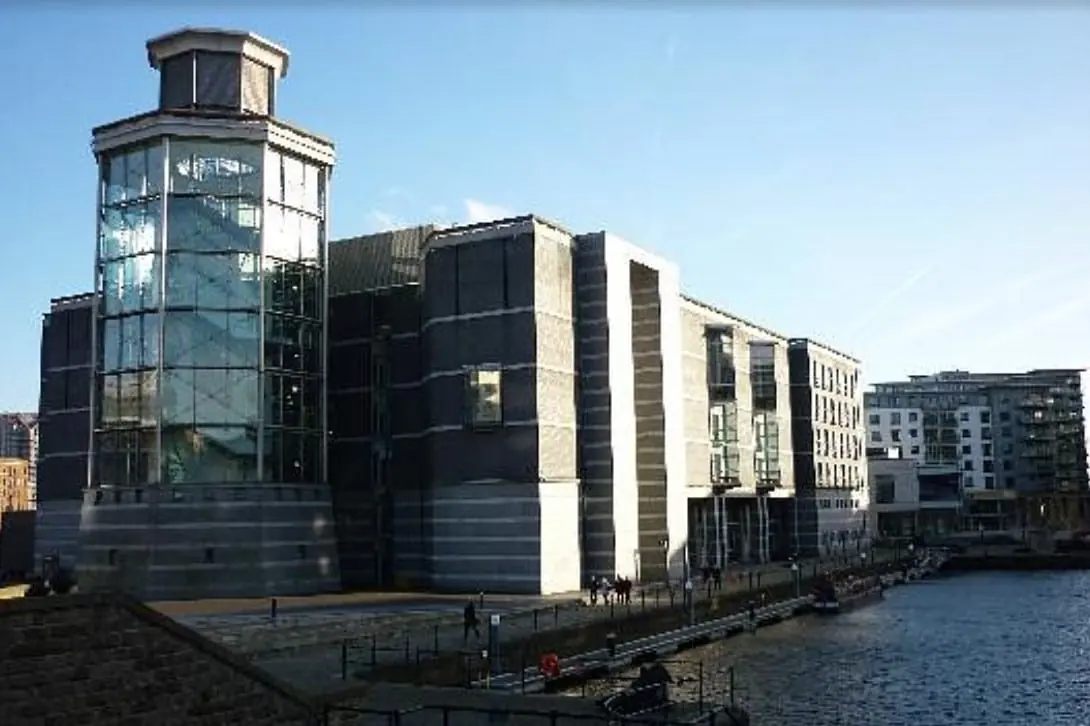
Food Banks in Leeds – Supporting Communities Through Hardship
Food bank frequently asked questions
Local food banks...
A few of the local food banks listed on foodbanks.co.uk. Browse all food banks

Black Country Food Bank (Halesowen Road)
Halesowen Road, Cradley Heath, B64 6JA
3food4u Food Bank (High Road Bruce Grove)
454A High Road Bruce Grove, London, N17 9JD

Sheffield S6 Food Bank (Shirecliffe Community Centre)
Shirecliffe Community Centre, 349 Shirecliffe Rd, Sheffield, S5 8XL