Families with children and households containing disabled adults face greater food insecurity than households without them. In the government's 2024/25 Family Resources Survey, 12% of households with children were food insecure, compared with 7% without children. For households with at least one disabled adult, the figure was 14%, against 4% where there were no disabled adults. Source: DWP, section 9
These are household-level findings, rather than a separate account of each person's meals. They nevertheless show why national poverty totals need closer examination.
The Sky News report published on 24 November brought renewed attention to severe hardship. Looking beyond that headline helps communities understand whose needs might be overlooked and what useful support involves.
This article examines the evidence on children and disability, then considers how food support can be made more accessible. The statistics come from different studies and periods. They should be read alongside one another, rather than added together.
What food insecurity means for a household
Food insecurity concerns unreliable access to enough suitable food. DWP measures this through questions about a household's circumstances before interview, rather than through a direct measure of hunger. It distinguishes low and very low food security from food-secure households. Source: DWP
A household can face difficult choices even when someone outside it sees no obvious emergency. For example, a parent might have enough money for the next meal but be unsure how the rest of the week will be covered.
That is an illustration, not a finding about a particular research participant. It shows why the ability to put one meal on the table is an incomplete test of financial security.
It also helps explain why an emergency parcel and reliable food access are different outcomes. A parcel can meet an immediate need. A household still needs a workable way to obtain food afterwards.
Children can be affected even when adults try to protect them
The House of Commons Library reports that 14% of UK children lived in food-insecure households in 2024/25. It also reports that 7% of children lived in households that had used a food bank during the preceding 12 months. Source: Commons Library, drawing on DWP data
Those figures should not be rewritten as “14% of children went hungry” or “7% personally visited a food bank”. They describe the households in which children lived.
The distinction is important because people in the same household can have different experiences. DWP explicitly cautions that household food-security information does not establish the individual experiences of adults and children. Source: DWP
When discussing child food poverty, accurate language is part of treating families fairly. It avoids exaggeration while keeping attention on the insecurity surrounding a child's everyday life.
It also prevents a misleading assumption that a child must visibly miss meals before a family deserves help. Someone worried about feeding their family should be able to ask a local service what support is available.
What the food parcel figures add
Trussell recorded 912,216 emergency food parcels for children in calendar year 2025. That was 34% more than in 2019, although 15% fewer than in 2024. Source: Trussell UK factsheet, Table 1
Both comparisons are useful. The recent fall is welcome, but the longer comparison shows a level of provision above the earlier baseline.
Parcels are not unique children. Trussell counts the volume of emergency food provided, including repeat support. Its figures cover its own community, rather than every independent food provider in the UK. Source: Trussell statistics explanation
For donors, a child parcel figure should therefore prompt questions rather than assumptions. What does the local provider need? Are there specific family requirements it wants donations to meet? Would money help it fill gaps more effectively?
The provider's current answer is more useful than a generic shopping list inferred from a national statistic.
Disability is a central part of the destitution picture
The new JRF report says 61% of destitute respondents reported a chronic health problem or disability. It also found that 37% of destitute respondents whose condition limited their activities a lot were not receiving disability benefits. Source: JRF
That second figure does not establish that everyone concerned was entitled to a particular payment. JRF acknowledges that eligibility, awareness and unsuccessful claims can all be relevant. Source: JRF
The appropriate response is individual advice, rather than a promise that an application will succeed.
For community services, disability also raises practical questions about how support is accessed. A service can exist nearby while remaining difficult for someone to reach or use.
Consider a hypothetical person who cannot carry a heavy parcel home. Being told a collection address would only answer part of their problem. They would also need to know whether any alternative arrangement was available.
This example does not imply that every food bank offers delivery. It shows why access information should explain what can be discussed and who to contact.
Why overlapping needs require an individual response
A household may include children, a disabled adult, caring responsibilities and limited money at the same time. Separate statistical categories should not become separate boxes into which people are forced to fit.
Nor can we add the headline percentages to calculate the number of households with overlapping needs. That requires the underlying data and a method designed for that question.
Foodbanks.co.uk's view is that a useful first conversation should establish what is needed now and what makes accessing it difficult.
That could mean asking about collecting food, preparing meals, dietary needs or getting an advice appointment. The purpose is to identify a workable next step, not require someone to repeat their entire history to every organisation they contact.
For people offering informal help, ask permission before intervening. Someone may welcome help finding an opening time while wanting to make the call themselves. Another person may ask for support explaining a practical difficulty.
Food cannot be separated from the rest of the budget
JRF's summer 2026 tracker surveyed adults in the lowest-income 40% of households. It estimated that 5.6 million low-income households had experienced hunger, smaller meals or skipped meals because of insufficient money in the preceding 30 days. Source: JRF summer tracker
This is a different measure from the destitution study and the government's household survey. Its fieldwork ran from 7 May to 5 June 2026, and it cannot be used as a direct update of either dataset.
The same tracker estimated that 4.5 million low-income households were behind on at least one household bill or debt repayment. Source: JRF summer tracker
Our interpretation is straightforward. A household's food budget shares the same limited money as its other essential costs. Looking only at the shopping bill can miss why the budget fails to stretch.
An illustrative family might need food today and advice about a bill tomorrow. Addressing one need does not make the other disappear. Support works best when the immediate problem and the wider circumstances can both be considered.
What more accessible food support can look like
The following are Foodbanks.co.uk's practical suggestions for local providers and community groups. They are questions to consider, rather than claims that every organisation has the resources to offer every option.
Publish the details people need before travelling
Make it easy to find the correct address, opening times and referral requirements. Explain whether the location is for collecting food, donating goods or making an enquiry.
Where possible, give a clear contact route for people who cannot manage the standard arrangements. Avoid leaving them to guess whether it is worth asking.
Ask about food preparation and dietary needs
Do not assume that everyone has the same facilities or can use the same products. Invite people to explain relevant needs privately.
Citizens Advice's England guidance recommends telling the food bank about allergies and dietary requirements. It also advises checking whether delivery may be possible where a person cannot travel. Source: Citizens Advice
Connect food support with appropriate advice
Someone may need help understanding benefits, debt or other local assistance. Offer a route to an adviser without making assumptions about eligibility or promising an outcome.
The Independent Food Aid Network's income-focused approach places financial support and advice alongside the aim of adequate income. Source: IFAN
For a donor or volunteer, the lesson is to listen to what the organisation and the person say they need. Helpful support should make the next step easier.
Questions about food insecurity, children and disability
Do the statistics show that every child in a food-insecure household missed meals?
No. A household-level finding does not establish each family member's experience. Keep that distinction when sharing the figures. Source: DWP
Does disability automatically mean someone can claim a particular benefit?
No. An individual's circumstances and the rules of the benefit matter. Ask an appropriate adviser to check possible entitlement rather than relying on a national statistic.
What if I cannot get to a food bank?
Contact the provider and explain the difficulty. Ask whether it can discuss an alternative or direct you to another service. Delivery may be possible at some food banks, but should be checked directly. Source: Citizens Advice, England guidance
Where should I start if my family needs food?
Use the Foodbanks.co.uk directory to find local services, then confirm access arrangements. Explain if the need is urgent and mention practical or dietary requirements when asking what help is available.
Sources and dates
Research checked on 24 November 2026 for publication on 25 November. The statistics refer to different periods and measures, stated in the text. Practical suggestions and hypothetical examples are Foodbanks.co.uk's own.
- DWP, Family Resources Survey 2024/25, section 9
- House of Commons Library, food poverty briefing, 22 September 2026
- JRF, Destitution in the UK 2026, 24 November 2026
- Trussell, UK factsheet for calendar year 2025
- Trussell, annual statistics and counting methods
- JRF, summer 2026 cost-of-living tracker, 22 July 2026
- Citizens Advice, using a food bank, England guidance with country links
- Independent Food Aid Network, why cash first
- Sky News, 24 November 2026 coverage
Related reading
More food bank insights and news


Food bank frequently asked questions
Local food banks...
A few of the local food banks listed on foodbanks.co.uk. Browse all food banks
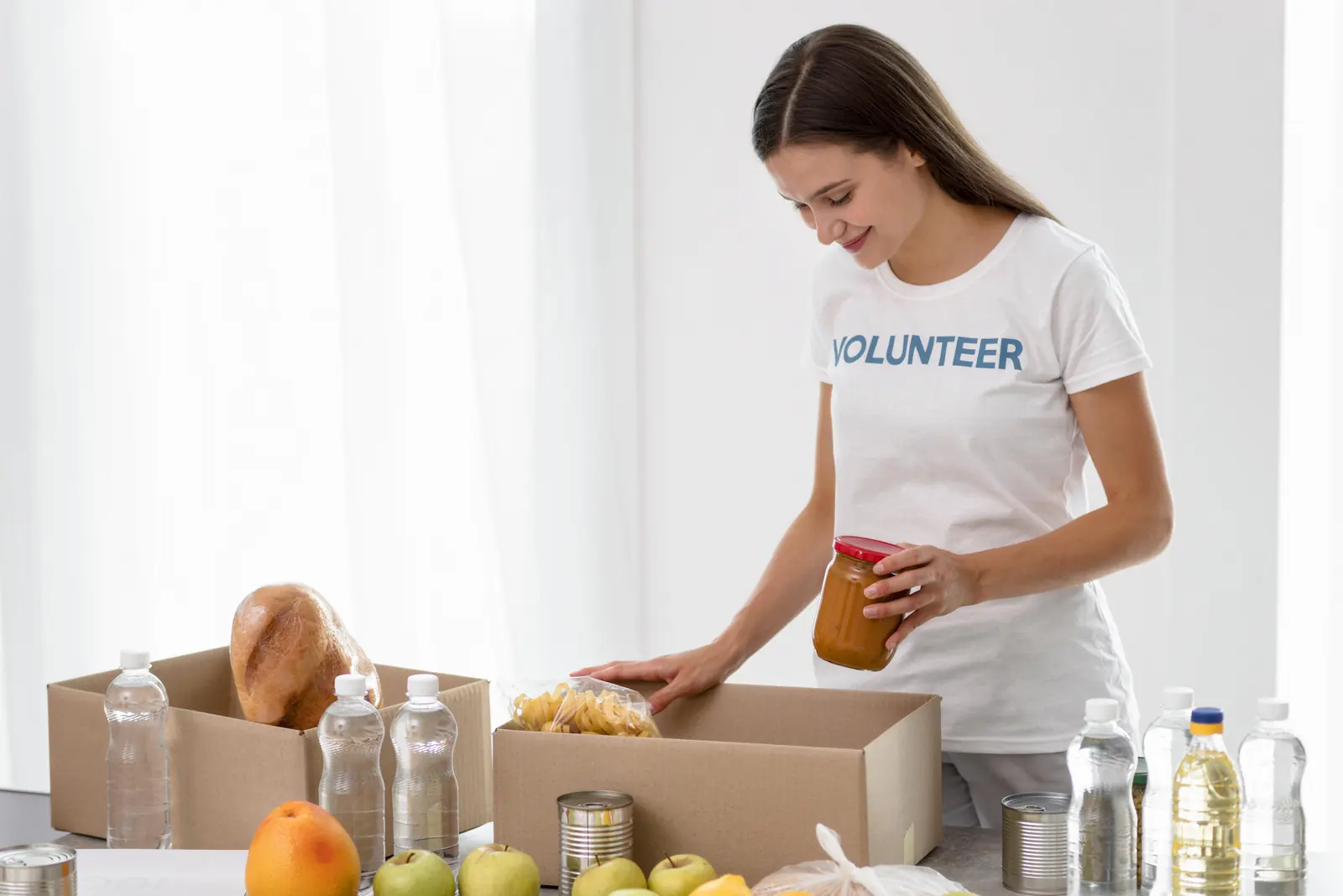
Black Country Food Bank (Halesowen Road)
Halesowen Road, Cradley Heath, B64 6JA
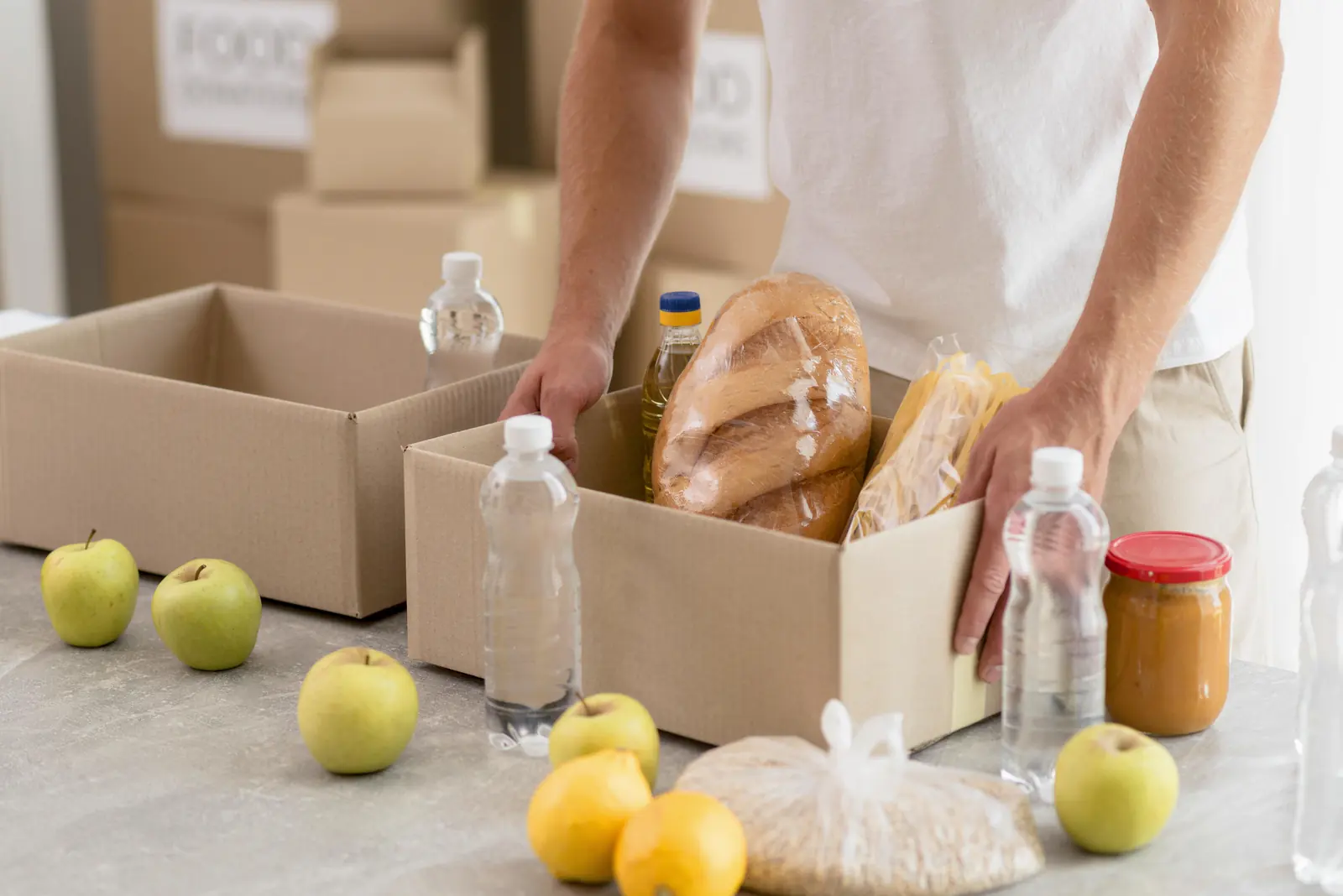
3food4u Food Bank (High Road Bruce Grove)
454A High Road Bruce Grove, London, N17 9JD
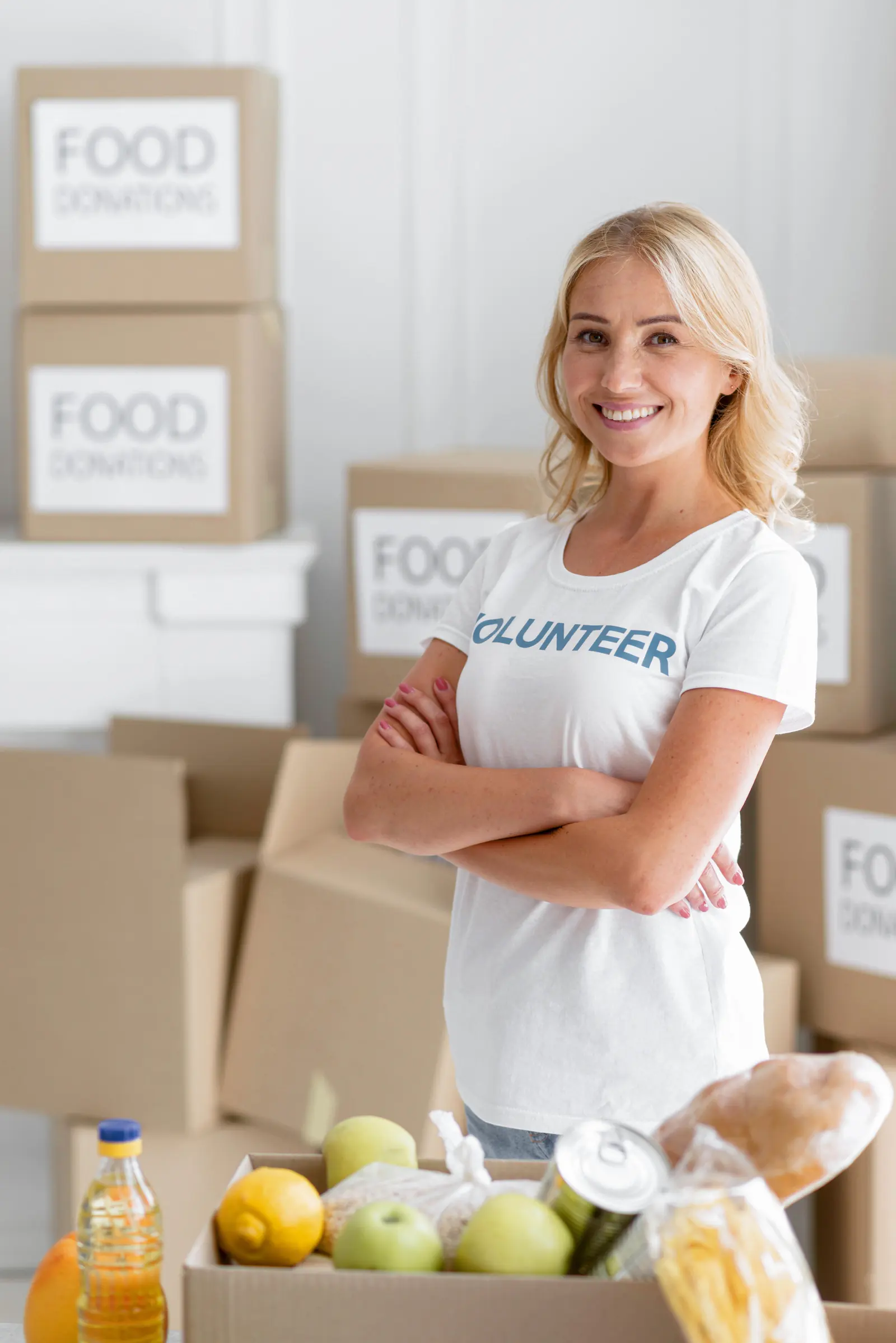
Sheffield S6 Food Bank (Shirecliffe Community Centre)
Shirecliffe Community Centre, 349 Shirecliffe Rd, Sheffield, S5 8XL